Sign in. It’s quick, free and it’s up to you.
An account is an optional way to support the work we do. Find out more.
Sign in. It’s quick, free and it’s up to you.
An account is an optional way to support the work we do. Find out more.
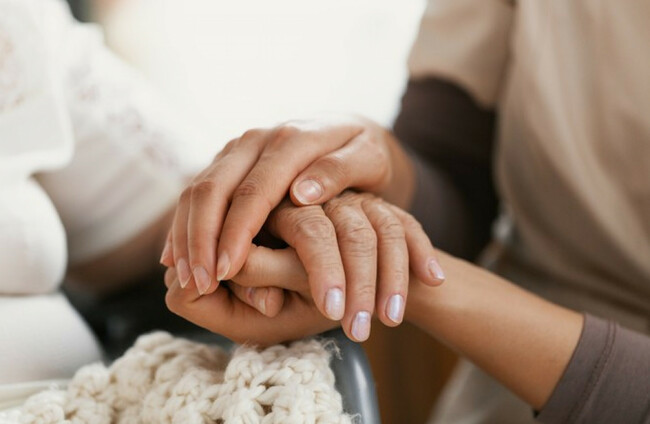
SOME PEOPLE WHO wish die at home can experience “traumatic deaths” as a result of a lack of proper care and support, according to a new report.
The Dying Well at Home report released today from the Irish Hospice Foundation highlighted a number of systemic gaps in the provision of end-of-life care in Ireland.
These include a lack of proper support, inadequate access to care, and a lack of resources to provide proper care in the community.
The report was conducted by holding online focus group discussions with 49 participants from 15 different organisations representing paid or and unpaid end-of-life care providers in Ireland.
Previous research has shown that 74% of people in Ireland want to die in their home, but only 23% have home deaths.
While the report noted that many people die well at home, the discussions raised a number of barriers that people have in accessing proper end-of-life care. These include:
According to the report:
Participants reflected that, despite the tireless work of families, carers and medical teams, systemic gaps in the provision of end-of-life care in Ireland can lead to unmet patient wishes and traumatic deaths.
Commenting on the report, CEO of Irish Hospice Foundation Paula O’Reilly said that while it was not possible for everyone to die at home, the IHF said that more could be done to “enable greater choice about where people are cared for as death approaches”.
“This report identify the gaps in services that need to be filled if everyone in Ireland is to have the opportunity to be supported to die in the right place, at the right time with the right care,” she said.
As part of the report, a good death was described by participants as one that is comfortable, calm, and free from pain and suffering, and one that honoured the end-of-life wishes of the patient, allowing them to die with dignity in the place of their choosing, with those they wanted present.
The IHF made a number of recommendations on the back of the report to increase participants access to quality end-of-life care. These include scoping and developing an information and support line for carers, creating a map with information on available resources, and conducting further research.

To embed this post, copy the code below on your site















have your say